
We use cookies to keep your learning sessions smooth and remember your preferences.

Bolanto Miredis
portrait photography
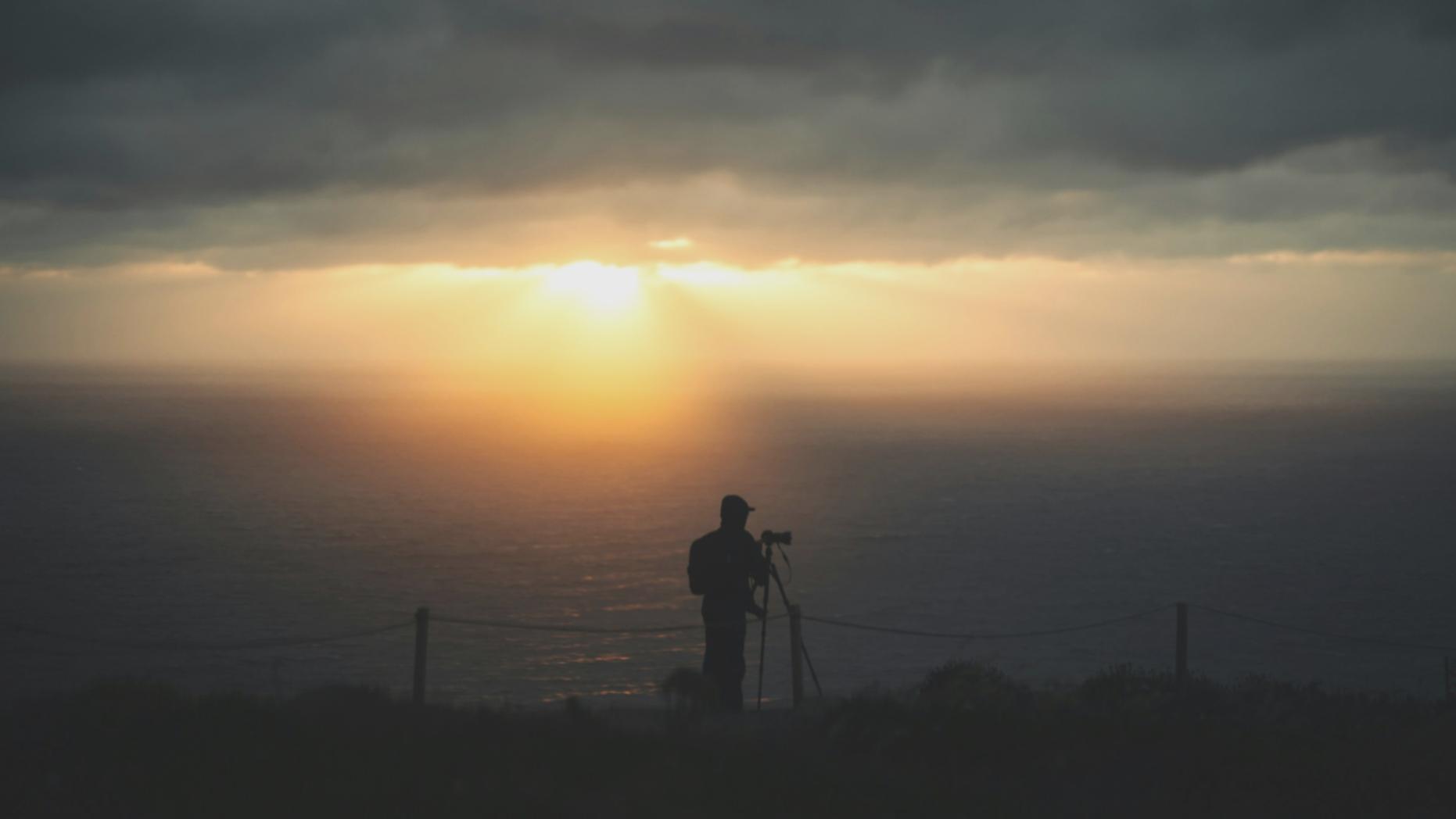
Portrait photography composition demonstrating depth and light

Portrait
Photography

Bolanto Miredis — a place where photographers figure out what their portraits are actually missing.

Who this is actually for

Portrait photography rewards people who are willing to sit with discomfort long enough to figure out why a shot isn't working. If you want a fast checklist and a certificate, there are plenty of other courses for that.

The learners who get the most out of working with us tend to have already taken some photos they're proud of — and just as many they can't explain why they failed. That gap is where useful learning happens.

You don't need expensive gear or a studio. Most of what determines a strong portrait happens before the shutter, not after it. What you do need is genuine curiosity about people and patience with the process.

  • You shoot in natural light and want to stop guessing what it will do to a face
  • You've read the technical theory and still can't get the emotional weight right
  • You want direct feedback on your actual work, not a formula applied to everyone
  • You're building a portfolio with a specific direction and need outside eyes on it
  • You're interested in both studio and location work and want to understand the difference in practice, not theory

The group sessions surprised me. I expected to feel lost among more experienced people, but the critique format meant everyone was looking at the same problems — just in different photos.

— Oleksandr Bondarenko, freelance

Student portrait photography session in soft window light

Nobody told me what camera to buy or what preset to use. They looked at my portfolio and asked me what I was actually trying to say with it. I didn't have an answer. That was the starting point.

— Tetiana Rusnak, portrait and family

The approach behind the results

Every session here starts from your existing photos, not a blank exercise. Instructors are working photographers — not academics — which means feedback comes from someone who has solved the same problem in an actual shoot, not a classroom hypothetical.

Critique sessions happen live, with the image on screen and the reasoning explained out loud. You learn to see differently, which changes how you shoot. That takes longer than memorizing settings, but it stays.

Portfolio diagnosis

We look at what you've already made before suggesting what to change. Patterns in your work tell us more than a skills questionnaire.

Live critique sessions

Your photos reviewed in real time. Reasoning explained openly so you understand the why, not just the what.

Targeted assignments

Specific shooting tasks based on your weak points. Not generic exercises — problems built around your particular gaps.

Direction setting

Work with instructors to define where your portrait work is heading. A clear direction makes every subsequent decision easier.

What's available

Three ways to work with us — different in structure, consistent in depth. Choose based on how you learn best, not based on price alone.

group format

Live Group Sessions

Weekly live sessions with 6–10 participants. Structured around critique, demonstration, and discussion. You bring your work; we look at it together with the group.

see full details
Group portrait photography critique session
individual format

One-on-one Mentorship

Private sessions with a single instructor focused entirely on your portfolio, your goals, and the specific problems your photos keep running into. Pacing is yours to set.

see full details
One-on-one portrait photography mentorship in studio
intensive format

Masterclass Series

Multi-day intensive sessions built around a single theme — low-light portraiture, environmental context, or connecting with subjects you've never met. Deep work on a narrow problem.

view upcoming masterclasses

The question most people are sitting with

The most common reason people take longer than necessary to start is the feeling that they're not quite ready. That there's one more thing to figure out first — one more lens, one more tutorial, one more month of solo practice before they show their work to anyone.

That feeling is normal and also almost always wrong. The photographers who get significantly better are the ones who put their photos in front of someone with more experience earlier than feels comfortable. Readiness comes from feedback, not from waiting.

On beginner-level work

We regularly work with photographers whose portfolios have fewer than 20 photos. Starting point is not a barrier.

On fitting around a job

Sessions are scheduled around your availability. You don't need to be a full-time photographer to participate.

On pace of improvement

Progress is real but it isn't instant. Some things click in the first session. Others take months of shooting to absorb properly.

Photographer reviewing portrait work during mentorship session
Behind-the-scenes portrait photography lighting setup
Portrait photographer discussing composition with instructor

Where you might see yourself in this

Many of the people who come here had already figured out the technical side well enough. Exposure was fine. Focus was sharp. The photos just felt like they were made by someone following instructions, not by someone with a point of view.

What changed for them wasn't a new technique. It was a clearer sense of what they were actually looking for in a portrait — what emotional territory they were drawn to, what kind of subjects they photographed best, what they kept avoiding. That kind of clarity is what turns technically adequate photos into ones that stick.